
Common Cleaning Mistakes That Hurt Your Company’s Image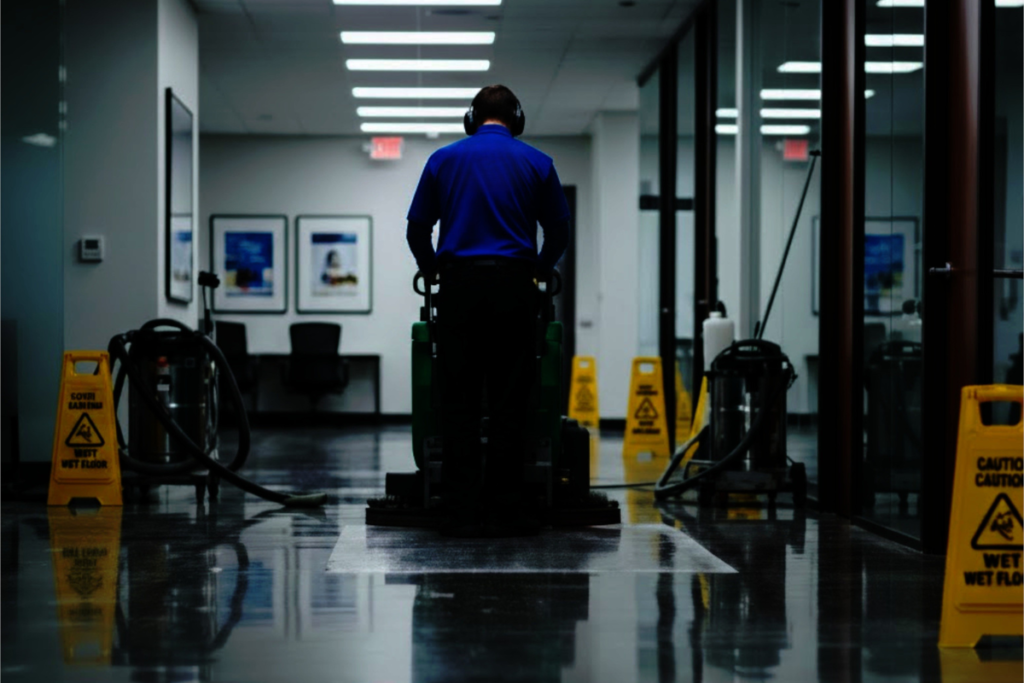
Quick Summary – Even consistent cleaning routines can fall short when key areas and methods are overlooked. Common mistakes — such as missing high-touch surfaces or using improper cleaning techniques — can affect workplace health, damage materials, and weaken first impressions. Generations Cleaning helps businesses maintain consistent, professional standards through structured cleaning programs and expert oversight.
A clean workplace is often viewed as a given — something that should simply be handled in the background. But in practice, many businesses fall into a pattern where cleaning is completed regularly, yet still fails to meet expectations.
The issue is rarely effort. More often, it’s approach.
Small oversights, inconsistent methods, and outdated routines can quietly impact how a workplace is perceived. Over time, these gaps affect not only appearance, but also employee comfort, health standards, and overall brand image.
In this article, we’ll break down the most common cleaning mistakes we see across commercial buildings in Ontario — and explain how a more structured, professional approach can correct them.
Why Your Cleaning Routine Might Be Working Against You
Many cleaning routines are built around repetition rather than strategy. Tasks are completed on schedule, but not always with a clear understanding of what matters most within the space.
On the surface, everything appears in order. Floors are vacuumed, garbage is removed, and desks are wiped down. But over time, subtle inconsistencies begin to show. Certain areas receive more attention than others, while high-impact surfaces are cleaned less frequently than they should be.
This is where cleaning routines begin to work against the business. Instead of supporting a consistent standard, they create uneven results — a workspace that feels clean in some areas and neglected in others.
In our experience, the difference between adequate cleaning and effective cleaning is structure. Without it, even well-intentioned efforts can lead to gradual decline in both presentation and performance.
Overlooked Areas That Shape First Impressions
First impressions are rarely formed by entire spaces. They are shaped by small, repeated interactions — the moment someone opens a door, walks through an entrance, or uses a shared space.
These touchpoints carry more weight than many businesses realize. Clean, well-maintained environments don’t just influence perception — they also play a direct role in employee focus, comfort, and overall workplace productivity.
High-touch surfaces such as door handles, light switches, and elevator buttons are among the most frequently used areas in any facility. When these are missed or inconsistently cleaned, it creates both a hygiene concern and a visible lapse in attention to detail.
Entryways and reception areas present a similar challenge. These are high-traffic zones that absorb everything from outdoor debris to moisture and dust. Even when the rest of the building is well maintained, a neglected entrance can immediately shift perception.
Beyond appearance, these areas also play a critical role in workplace safety. The Canadian Centre for Occupational Health and Safety identifies slips, trips, and falls as one of the most common causes of workplace injuries in Canada — many of which are directly linked to conditions like wet floors, debris, and poor maintenance in high-traffic zones.
Shared spaces like washrooms and break areas often have the greatest impact. Minor issues — lingering odours, residue on surfaces, or inconsistent upkeep — tend to stand out quickly and influence how employees and visitors view the entire workplace.
Even less visible areas, such as corners, edges, and spaces behind furniture, contribute to the overall experience. When these areas are consistently overlooked, the space begins to feel less maintained, even if the main surfaces appear clean.
Product and Technique Mistakes That Lead to Long-Term Issues
Cleaning is not only about frequency — it’s also about precision. The products used and the methods applied play a critical role in both short-term results and long-term building maintenance.
One of the most common issues we encounter is improper product selection. Different materials require specific care, and using the wrong cleaning solution can lead to gradual damage. Over time, this may show up as discolouration, surface wear, or deterioration of finishes that were otherwise designed to last.
Equally important is how those products are used. Improper dilution is a frequent but often overlooked issue. When cleaning solutions are too concentrated, they can leave residue or cause surface damage. When they are too diluted, they fail to clean effectively. In both cases, the result is inconsistent performance and unnecessary cost.
Technique also plays a significant role. Cleaning methods that appear efficient on the surface can sometimes reduce effectiveness. For example, using the same cloth across multiple areas can spread contaminants rather than remove them. Similarly, rushing through disinfecting processes without allowing proper dwell time can limit their intended impact.
These issues are rarely obvious at first. Instead, they accumulate gradually, affecting both cleanliness and the condition of the facility over time.
The Role of Professional Oversight in Maintaining Standards
What ultimately separates a consistently clean facility from an inconsistent one is not just effort — it’s oversight.
Professional cleaning programs are built around structure, accountability, and adaptability. Rather than relying on routine alone, they are designed to ensure that every area receives the appropriate level of attention based on how it is used.
This begins with clearly defined cleaning protocols that account for high-traffic zones, high-touch surfaces, and the specific needs of the building. From there, trained staff apply consistent methods, ensuring that products are used correctly and techniques are applied properly.
Ongoing quality control is another critical factor. Regular inspections and clear communication help maintain standards over time, preventing small issues from becoming larger problems.
Perhaps most importantly, professional commercial cleaning programs are adaptable. As occupancy levels change, seasons shift, or operational needs evolve, cleaning practices can be adjusted accordingly. This flexibility ensures that standards remain consistent, regardless of external factors.
Elevate Your Facility’s Image with Generations Cleaning
A cleaning routine should reinforce your company’s image — not quietly detract from it.
At Generations Cleaning, we work with businesses across Ontario to eliminate the inconsistencies and oversights that commonly affect commercial spaces. Our approach is built on structured cleaning programs, trained professionals, and consistent quality control.
By focusing on the details that matter most — from high-touch surfaces to long-term material care — we help create environments that feel clean, professional, and well maintained at every level.
If your current cleaning routine isn’t delivering the consistency your business expects, it may be time to take a more structured approach. Contact Generations Cleaning to learn how professional oversight can elevate the standard of your facility.